


LoRa 868/915MHz & LoRa 2.4GHz | Their strengths, at a glance!
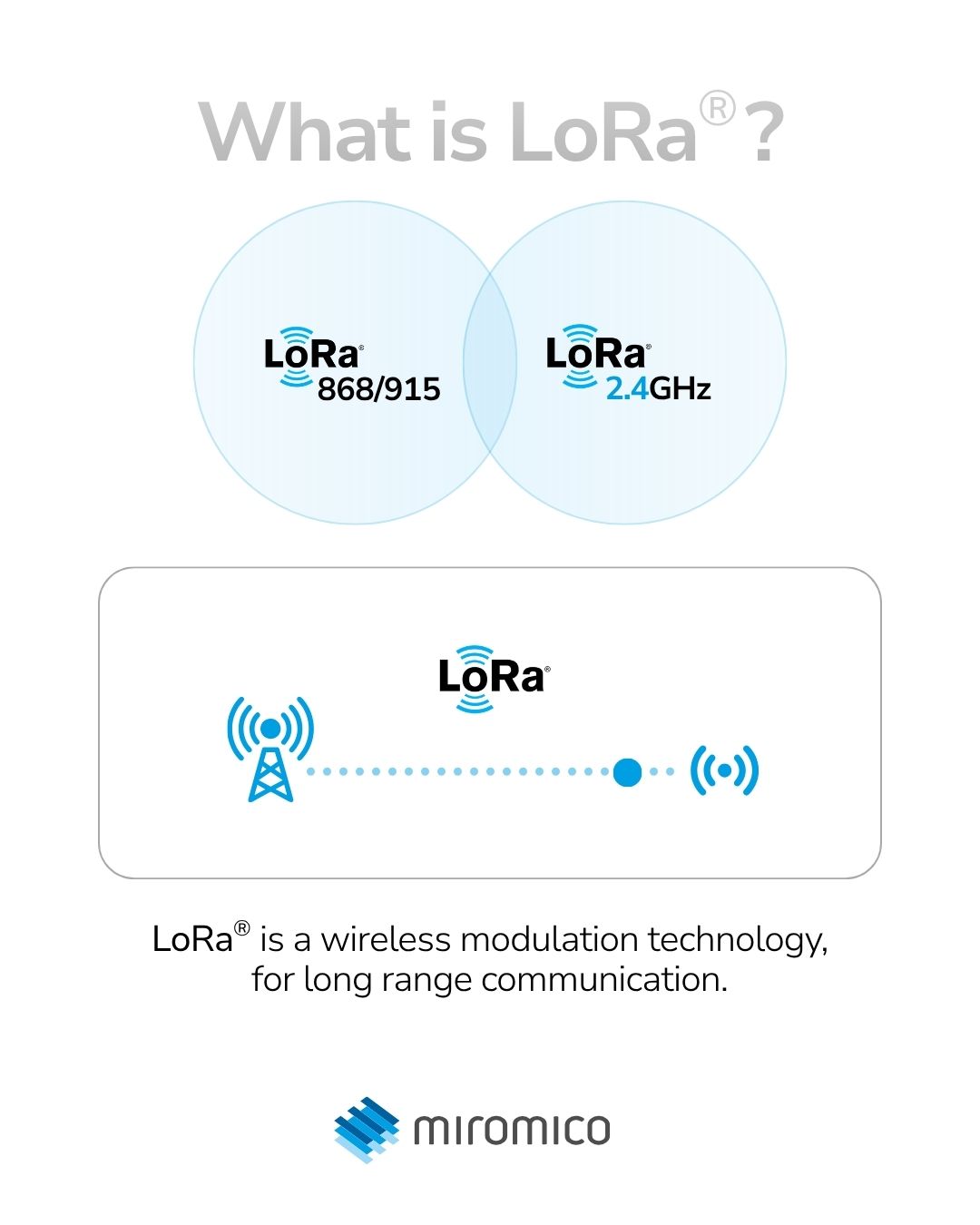
What is LoRa®?
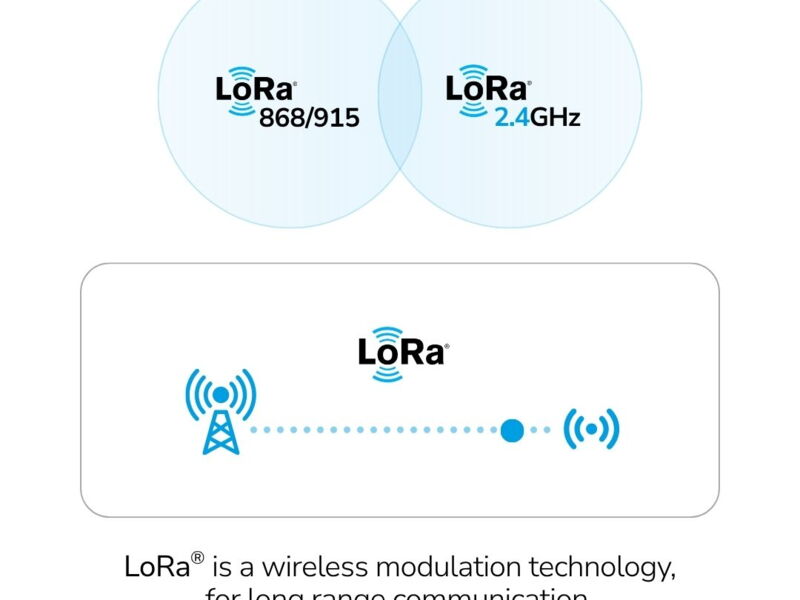
LoRa® is a wireless modulation technology designed for long-range communication, ideal for IoT applications that cover large areas and require regular updates from battery-powered sensors, such as smart meters, environmental monitors, or asset trackers.
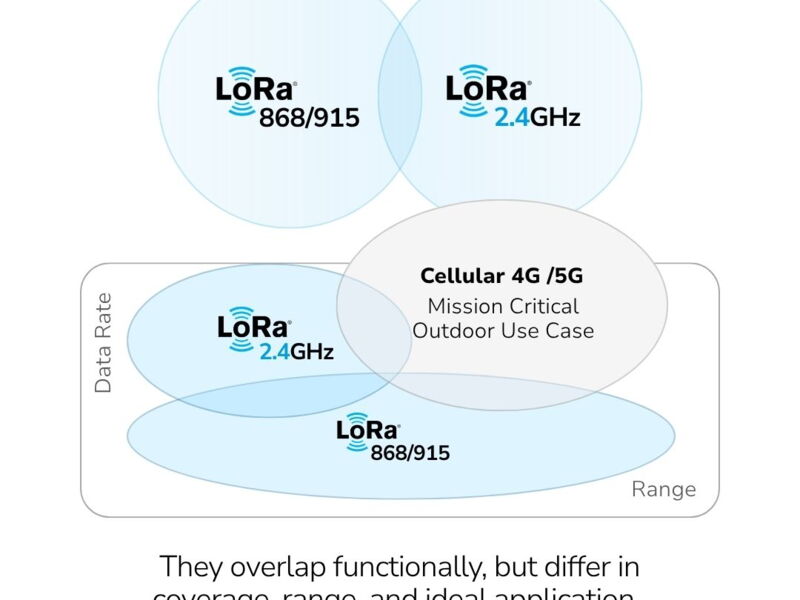
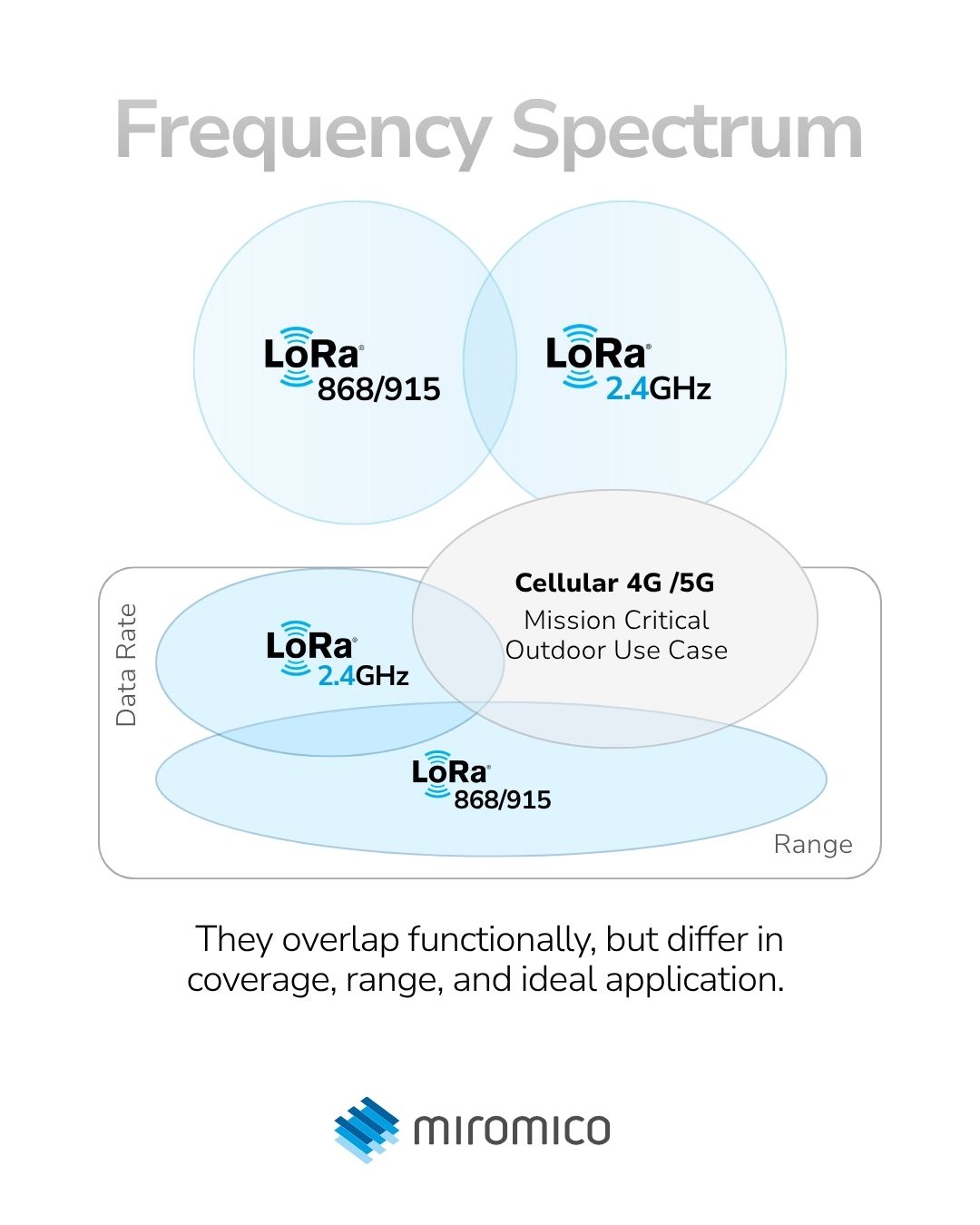
LoRa 868 / 915 MHz & LoRa 2.4GHz overlap functionally in many ways, but they differ in coverage, range, and ideal use cases:
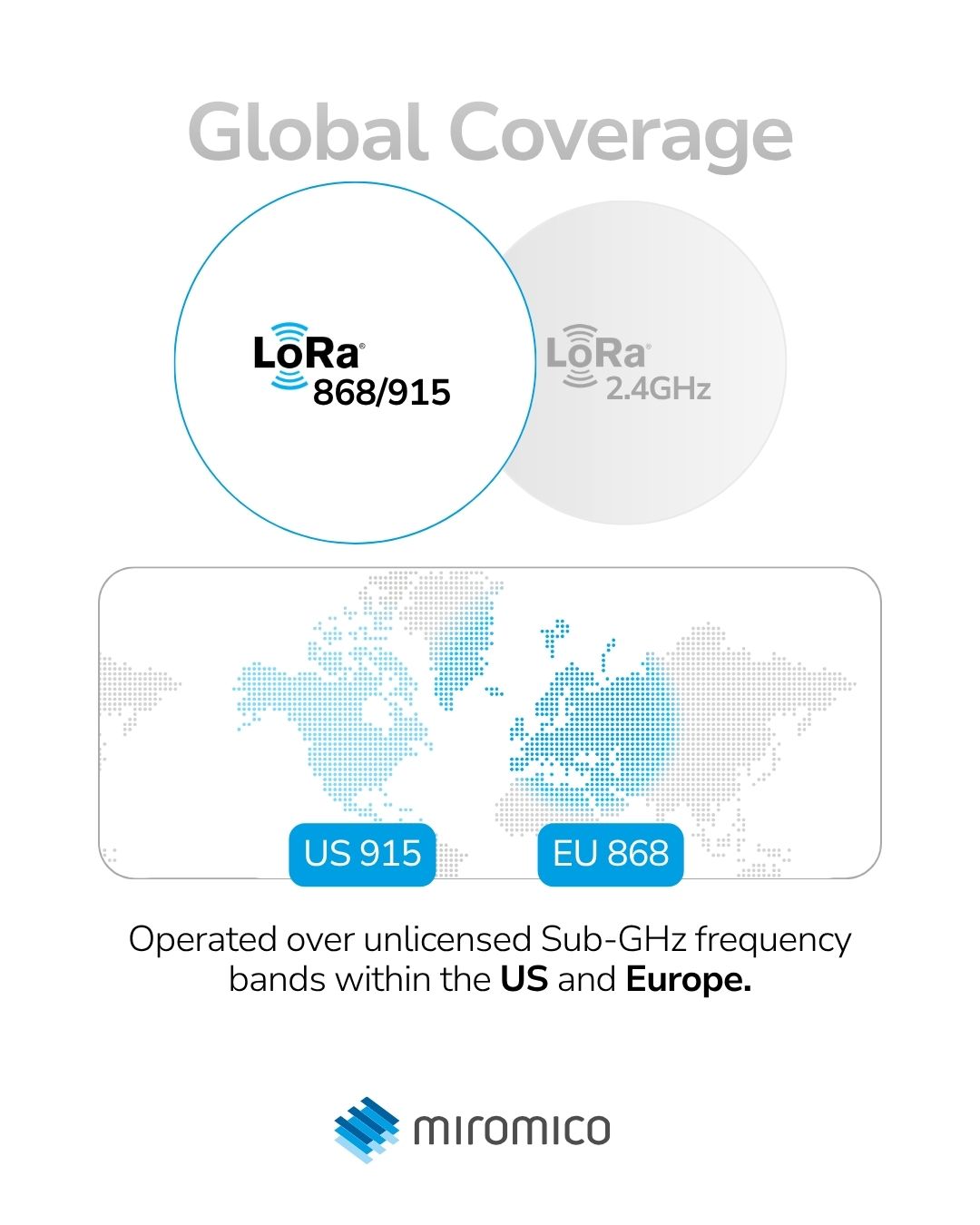
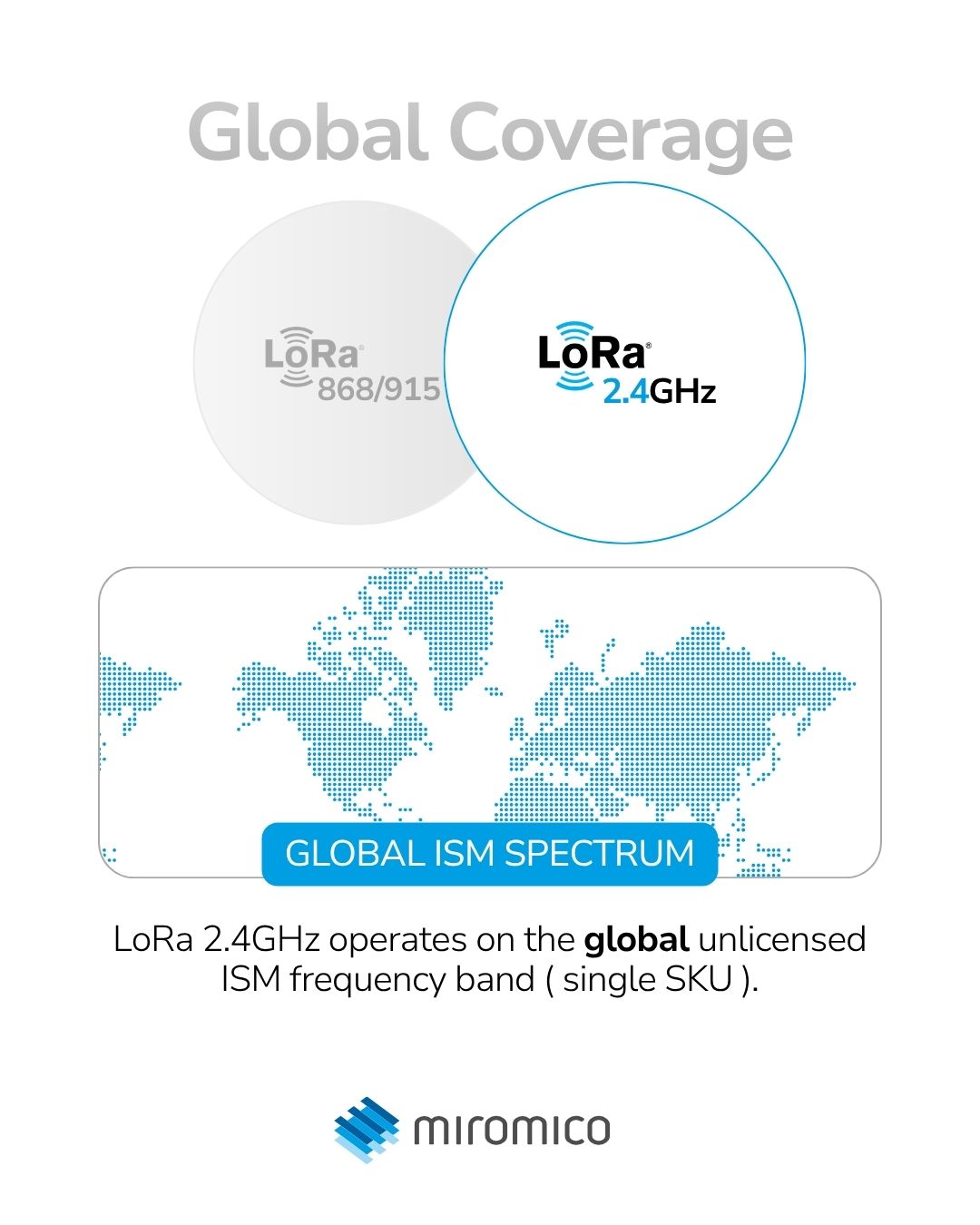
Global Coverage
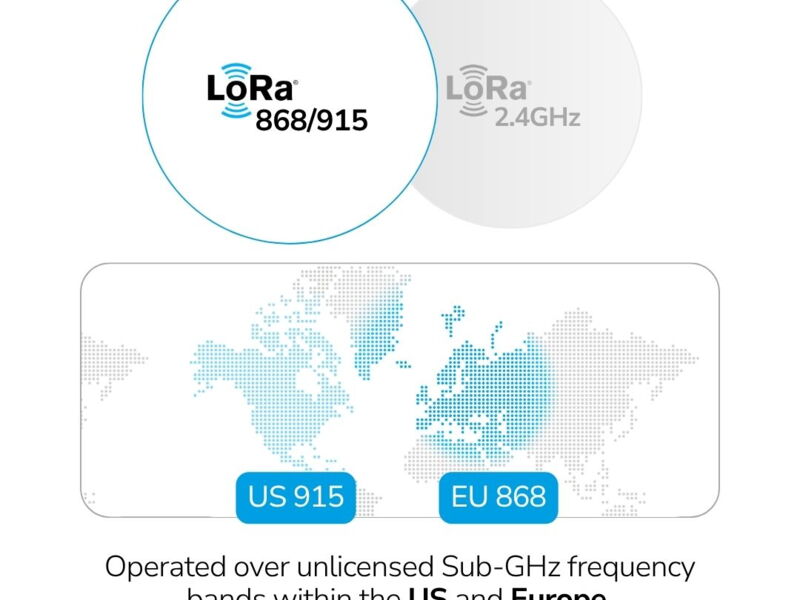
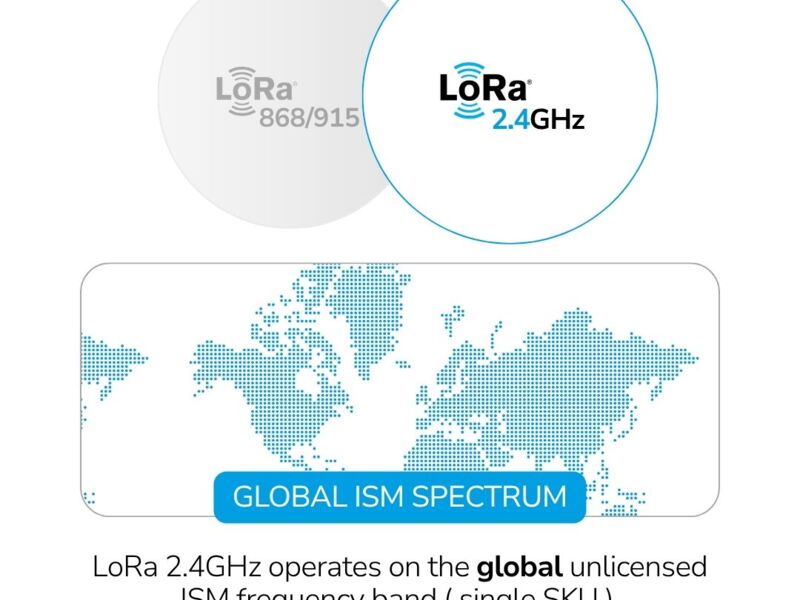
LoRa devices designed to operate within the European (868) and the US (915) unlicensed sub-GHz ISM Frequency bands must adhere to strict communication rules that vary by region. 2.4GHz refers to the globally available unlicensed ISM frequency band. These devices have the advane of operating freely across borders and under a single global SKU.
Range and Data
Both LoRa 868/915 and LoRa 2.4GHz offer communication typically measured in kilometers, with sub-GHz signals (868/915) travelling further and offering better penetration and a higher resistance to environmental noise, whereas 2.4GHz messages offer a higher data rate, but experience signal decay sooner than sub-GHz frequencies, limiting their effective range.
Practical Use
Choosing one over the other completely depends on your use case. Put simply: sub-GHz (868/915) signals offer longer ranges at the cost of payload size, great for e.g., sensors within a wide area that send data at regular intervals, while 2.4GHz offers more data, within shorter ranges, ideal for more complex sensor logs/firmware updates (FUOTA).
Application
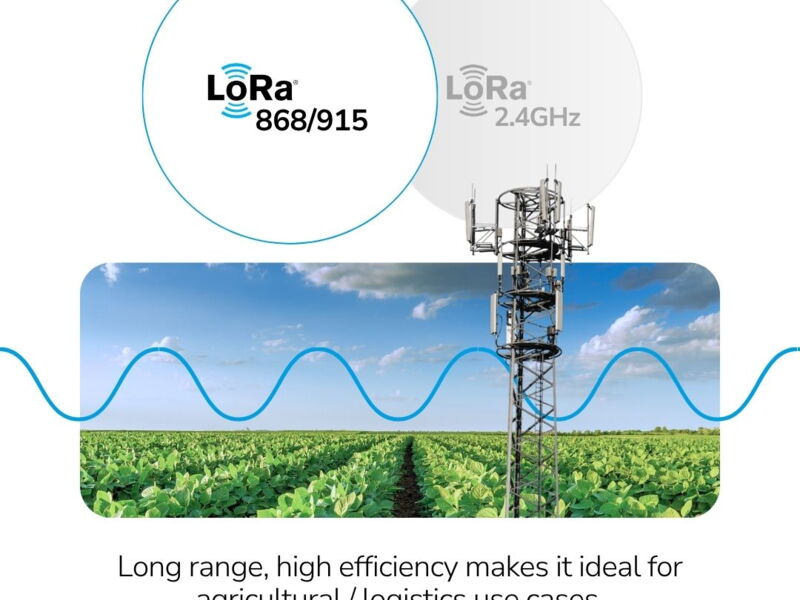
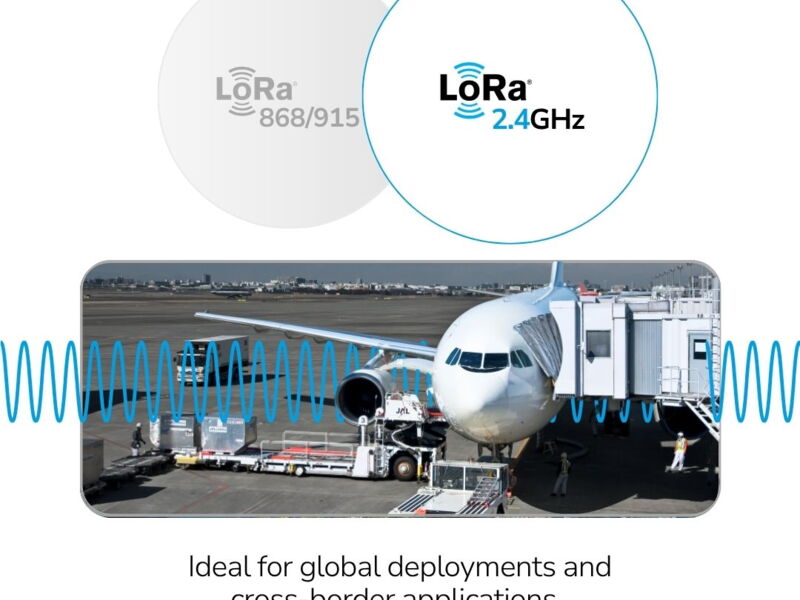
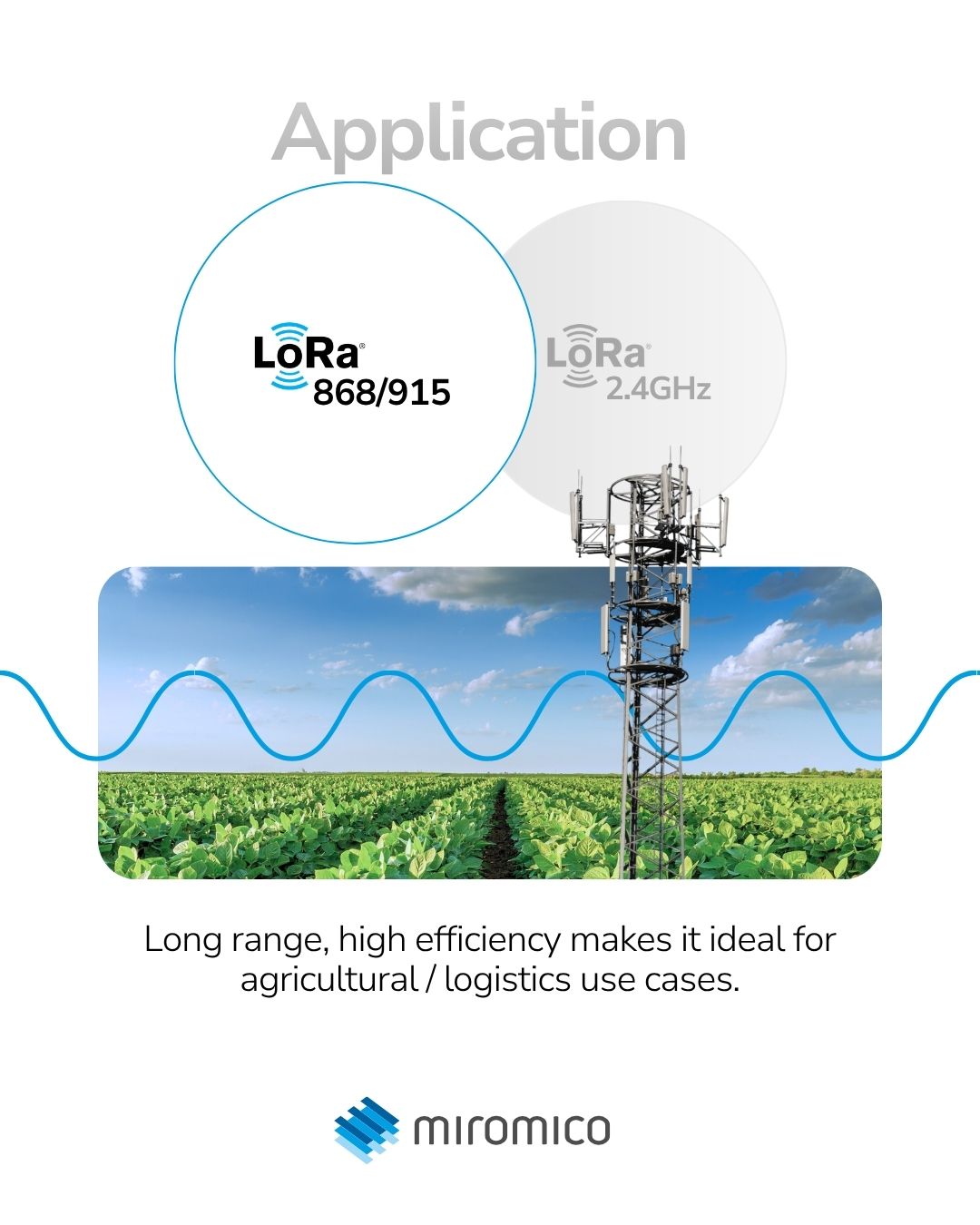
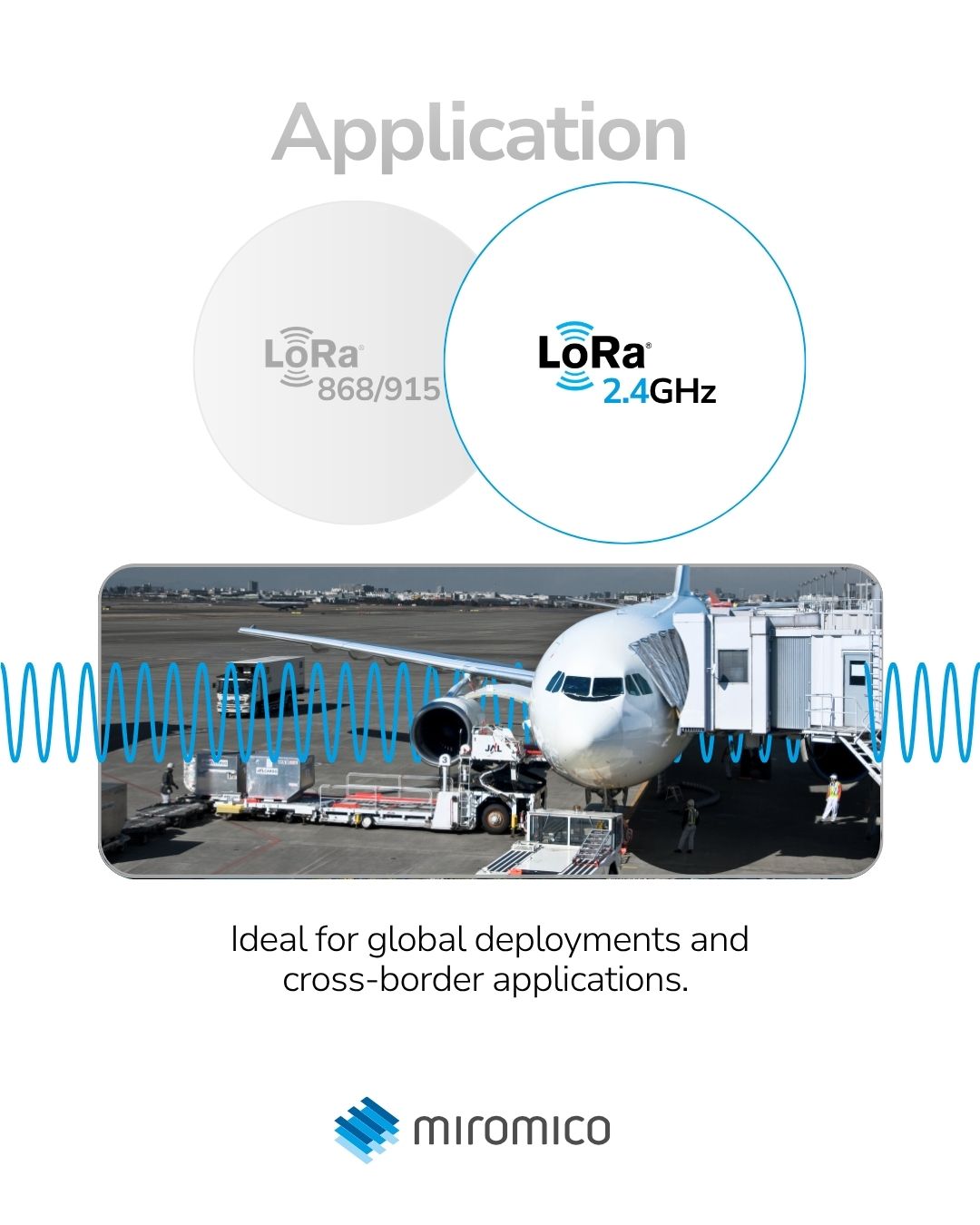
LoRa 868/915's long-range, high-efficiency communication makes it suitable for agricultural/logistics use cases spanning wide areas, but it is restricted to its specific region. 2.4GHz, on the other hand, is ideal for global deployments and cross-border applications.
Want to know more about LoRa? We're the experts!
Get in touch with us today via rfi@miromico.ch
Think IoT - Think Miromico!
LoRa Alliance Semtech LoRaWAN IoT